
Candle Scent Categories: Plan a Focused Private Label Range
Build a clear candle fragrance range with distinct scent roles, comparable samples and controlled fragrance references instead of overlapping SKU descriptions.
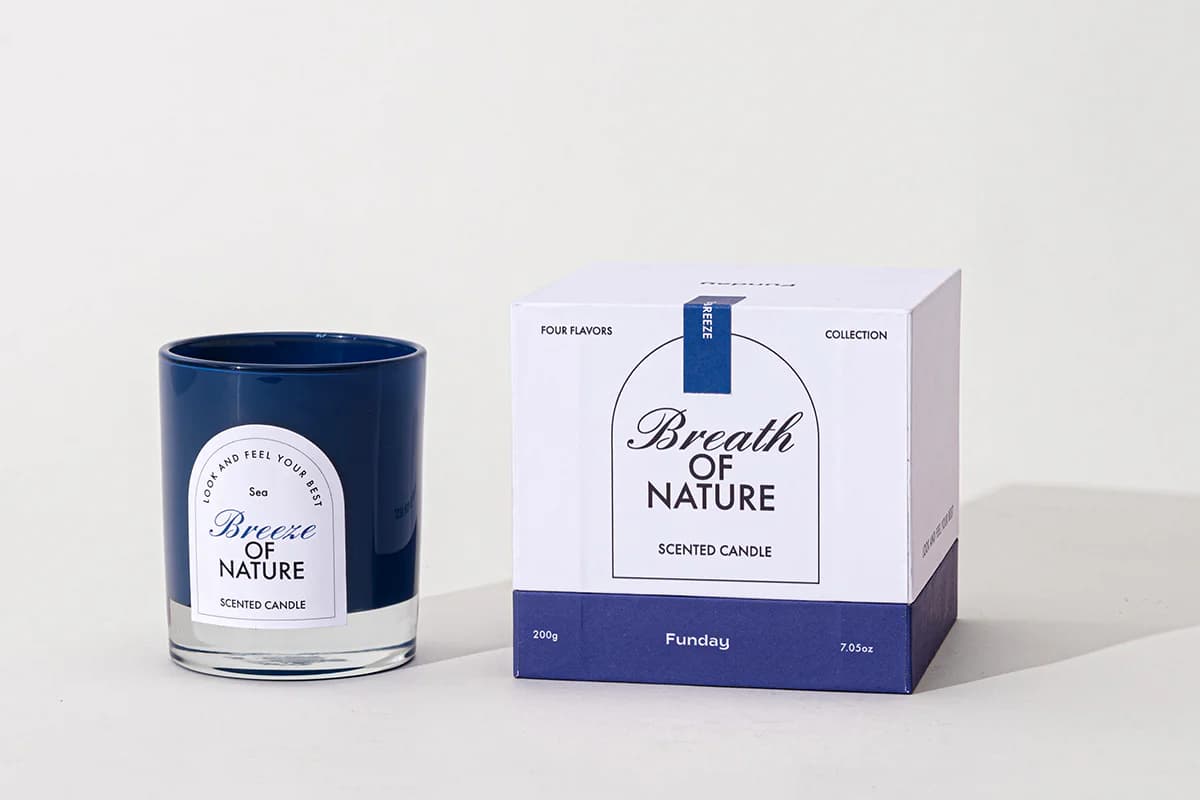
A useful candle scent range gives each fragrance a clear role. Start with the intended customer, use occasion and product positioning, then select a manageable group of contrasting scent directions. Labels such as floral or woody help organize a brief, but they do not define a formula or guarantee the fragrance experience in a finished candle.
Turn scent categories into a buying brief
| Scent direction | Questions for the brief | Common source of confusion |
|---|---|---|
| Floral | Light or rich? Single-flower impression or mixed bouquet? | Two suppliers interpreting the same flower name differently |
| Citrus or fresh | Bright, soft, green or clean in character? | Treating every fresh scent as interchangeable |
| Woody or earthy | Dry, smooth, smoky or resinous direction? | Using a category name without describing intensity |
| Gourmand or warm | Sweet, creamy, spicy or roasted impression? | Adding several fragrances that serve the same range role |
| Seasonal | Which occasion and expected customer preference? | Choosing a trend name without testing the actual sample |
Use these categories as discussion prompts. Do not present ingredient or health claims merely because a fragrance name mentions a plant or food.
Assign a different job to each SKU
Instead of launching several near-identical fragrances, write one sentence for each SKU: who it serves, how it differs from the next fragrance and where it fits in the range. A compact range might contrast a light fragrance, a floral direction and a warm direction, but the actual count should follow your market feedback and budget.
Estimate quantities by SKU, not just the total order. Ask whether fragrances, vessel decoration and individual packaging have different minimum quantities. A total order quantity does not necessarily establish the minimum for each fragrance variation.
Review samples without changing every variable
Ask for sample identifiers tied to the supplier's fragrance references. Compare samples in similar vessels and under an agreed review procedure. Record observations using a common vocabulary: first impression, perceived intensity, dominant character, fit with your brief and any reason for rejection. A photo cannot capture fragrance, so the approval record must refer to a physical sample.
Avoid describing a preference as a measured result. “Our team preferred sample B” is a review observation. “Sample B has better performance” requires a definition of performance and evidence for it.
Keep naming, artwork and fragrance references aligned
Before artwork approval, create a mapping table with SKU code, consumer-facing scent name, supplier fragrance reference, approved sample code and artwork revision. This catches a frequent ordering problem: a sales name changes while the production team still uses an older reference.
For a vessel starting point, compare published scented candle formats. Use the same agreed fragrance brief when you evaluate alternative vessels, and ask which changes require a new sample.
Buyer questions
How many candle scents should a new brand launch?
Choose a range you can sample, approve and replenish reliably. There is no universal right count; quantity per SKU and distinct customer demand matter more than a large fragrance list.
Does a botanical scent name mean the candle uses essential oils?
No. Confirm the fragrance description and support for any ingredient claim before using it on a label.
Can the same fragrance name be reordered without a reference code?
A name alone leaves room for confusion. Keep the supplier reference and approved sample linked to the purchase order.
Send your intended scent directions, vessel preference and quantities through the project enquiry form. The OEM and ODM workflow explains how sampling and written approval fit into production.
Related sourcing paths
Continue your product research
Compare product formats, production options and compliance support before sending your brief.
Request a quote
We will review product fit, sampling requirements and the information needed for a quotation. Sample cost, availability and production timing are confirmed for your project.
Published formats to start your project
 Custom Scented Soy Candle with Colored Granules - 200 gA 200 g scented candle in a clear glass vessel, combining soy wax with colored decorative granules and celebration patterns for gift sets and private labels.
 Custom Matte Black Glass Soy Wax Scented Candle with Black Lid200g scented candle in a matte black glass jar with a matching black metal lid, made with soy wax and a cotton wick. Fragrance, label, logo and packaging can be fully customized for OEM, ODM and private label projects.
 Custom Frosted Glass Soy Wax Scented Candle with Rose Gold Lid200g scented candle in a frosted glass jar with a rose gold metal lid, made with soy wax and a cotton wick. Fragrance, label, packaging and branding can be customized for OEM, ODM and private label projects.